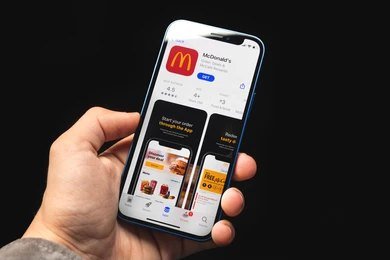
The way customers discover, order and interact with restaurants has changed dramatically. Today, customers expect to browse menus, customize orders, make payments, track deliveries, reserve tables and receive offers—all from their smartphones.
For restaurants, this creates an opportunity that goes beyond simply accepting online orders. A well-designed restaurant application can become a restaurant's own digital platform for direct ordering, customer engagement, loyalty, promotions and business growth.
This is where restaurant app development becomes strategically important.
Instead of depending entirely on third-party marketplaces, restaurants can build their own digital ordering ecosystem and develop a direct relationship with their customers.
From independent restaurants and cafés to cloud kitchens and growing restaurant chains, a custom restaurant app can be designed around the specific way a business operates.
Industry Overview: The Growing Importance of Restaurant Mobile App Development
The restaurant industry is increasingly becoming mobile-first. Customers are comfortable browsing menus, placing orders and making payments through smartphones.
This has created growing demand for restaurant mobile app development and dedicated food ordering platforms.
A modern restaurant application can bring several customer-facing and business-facing functions together, including:
- Online food ordering
- Home delivery
- Table reservations
- Digital menus
- Online payments
- Order tracking
- Offers and coupons
- Loyalty programs
- Customer accounts
- Order history
- Push notifications
- Reviews and feedback
For restaurant owners, the value of an app goes beyond convenience.
A well-planned restaurant application development strategy can help businesses create a direct digital channel through which they can communicate with customers and encourage repeat purchases.
A restaurant may use its application for:
Discover → Browse → Order → Pay → Track → Receive → Reorder
This creates a complete digital customer journey.
For businesses looking for a restaurant app development company, the objective should therefore not simply be to create an attractive application. The app should solve real operational problems and contribute to measurable business objectives.
Current Challenges in the Restaurant Industry
Before developing an application, restaurant businesses need to understand the challenges they are trying to solve.
1. Dependence on Third-Party Food Platforms
Third-party food marketplaces can provide restaurants with customer reach, but businesses may have limited control over the overall customer relationship.
A dedicated restaurant ordering app can provide an additional direct ordering channel.
This allows a restaurant to build a first-party customer database and communicate directly with customers through its own digital platform, subject to applicable privacy and consent requirements.
2. High Competition
Customers have countless restaurants available through digital platforms.
A restaurant needs more than good food to remain memorable. Branding, customer experience, convenience and loyalty can all influence repeat business.
A dedicated app for restaurants can help create a branded experience rather than placing the restaurant's identity inside a generic marketplace interface.
3. Manual Order Management
Phone orders, messaging-app orders and walk-in orders can become difficult to coordinate during busy periods.
A centralized restaurant ordering system app can organize incoming orders and provide staff with a structured workflow.
4. Limited Customer Retention
A customer may order once and never return.
A restaurant's own application can help businesses build retention mechanisms through:
- Loyalty rewards
- Personalized offers
- Reorder functionality
- Notifications
- Order history
- Promotional campaigns
5. Delivery Coordination
Restaurants handling their own deliveries need to coordinate orders, delivery staff and customers.
A delivery app for restaurants can help organize delivery workflows and provide customers with relevant order updates.
6. Table Booking Management
Restaurants with dine-in operations may need to manage reservations alongside food orders.
A dedicated restaurant booking app development solution can help customers reserve tables while allowing restaurant staff to manage availability.
Key Features Businesses Need in Restaurant App Development
A successful restaurant application should be designed around both customer convenience and restaurant operations.
1. Digital Menu
The menu is one of the most important parts of any food application.
A digital menu can display:
- Food images
- Item names
- Descriptions
- Prices
- Categories
- Add-ons
- Customization options
- Availability
- Special offers
The menu should be easy to browse on mobile devices.
2. Restaurant Ordering App
A well-designed restaurant ordering app should make ordering simple.
The basic journey can be:
Select Food → Customize → Add to Cart → Confirm Address → Choose Payment → Place Order
Reducing unnecessary steps can improve the customer experience.
3. Online Ordering
An online ordering app for restaurants gives customers a direct way to place orders without relying entirely on third-party platforms.
Restaurants can potentially use their application for:
- Pickup orders
- Home delivery
- Scheduled orders
- Repeat orders
- Special instructions
4. Restaurant POS With Online Ordering
Integration between online ordering and the restaurant's internal operations is particularly important.
A restaurant POS with online ordering can help connect customer orders with internal order processing.
Depending on the system, an integrated platform can help staff manage:
- Incoming orders
- Order status
- Kitchen preparation
- Billing
- Payment status
- Pickup and delivery
5. Restaurant Delivery Management
Restaurants managing their own delivery operations may require dedicated delivery workflows.
A restaurant delivery app development solution can include features such as:
- Delivery assignment
- Driver information
- Delivery status
- Customer address
- Order details
- Delivery notifications
- Delivery history
6. Table Booking and Reservation
Dine-in restaurants can use table booking app development to allow customers to reserve tables digitally.
A reservation system can manage:
- Date
- Time
- Number of guests
- Table availability
- Customer information
- Reservation status
A complete restaurant reservation app development solution can make this process easier for both customers and restaurant staff.
7. Cloud Kitchen Management
Cloud kitchens have different operational requirements because they may focus almost entirely on delivery and pickup.
Cloud kitchen app development can include:
- Digital menu
- Online ordering
- Kitchen order management
- Delivery coordination
- Customer management
- Order history
- Promotions
- Analytics
The application can be designed specifically around the cloud kitchen's operating model.
8. Customer Accounts
Customer accounts can provide access to:
- Previous orders
- Saved addresses
- Favourite items
- Payment preferences
- Offers
- Loyalty rewards
- Reordering
This can make repeat purchases faster.
9. Loyalty and Rewards
An application can help restaurants create their own loyalty ecosystem.
Businesses can introduce:
- Points
- Rewards
- Discounts
- Referral offers
- Birthday offers
- Repeat-order incentives
- Membership programs
The objective is to encourage customers to return directly to the restaurant's digital platform.
10. Push Notifications
Restaurants can communicate relevant updates through notifications, such as:
- Order confirmation
- Order status
- Delivery updates
- New menu items
- Special offers
- Loyalty rewards
- Promotional campaigns
Notifications should be used thoughtfully so customers do not feel overwhelmed.
11. Admin Dashboard
The restaurant also needs an administrative interface.
An admin dashboard can allow authorized staff to manage:
- Menu items
- Categories
- Prices
- Orders
- Customers
- Offers
- Delivery
- Reservations
- Payments
- Reports
This makes the backend a critical part of professional custom mobile apps for restaurants.
How Technology Solves These Problems
Creating a Direct Digital Ordering Channel
The biggest strategic advantage of a restaurant's own application is the ability to establish a direct digital relationship with customers.
Instead of the customer journey ending on a third-party platform, the restaurant can encourage customers to order through its own application.
This can support long-term customer retention and brand building.
Automation Through Restaurant Ordering Systems
A digital ordering system can automatically move information between different stages of the order.
For example:
Customer places order → Restaurant receives order → Kitchen prepares order → Order becomes ready → Delivery/Pickup → Customer receives order
This reduces the need for staff to manually coordinate every stage.
Payment Integration
Modern applications can integrate appropriate payment gateways and digital payment methods.
This can allow customers to pay for orders directly through the application while giving the restaurant a centralized view of payment status.
Real-Time Order Updates
Customers want to know what is happening after they place an order.
Depending on the architecture, the application can display statuses such as:
Order Received → Preparing → Ready → Out for Delivery → Delivered
This can reduce uncertainty and unnecessary calls to restaurant staff.
Data and Analytics
A digital application can generate useful operational information.
Businesses can analyze areas such as:
- Popular menu items
- Ordering frequency
- Peak ordering times
- Repeat customers
- Average order value
- Cancellation patterns
- Promotional performance
These insights can help restaurant owners make better decisions.
Integration With Existing Systems
A professional mobile application development project should consider how the application will interact with existing restaurant technology.
Depending on requirements, integrations can include:
- POS systems
- Payment gateways
- Delivery systems
- Inventory software
- CRM systems
- Accounting systems
- Notification services
This is where an experienced mobile app developer services team can help design the overall technology architecture.
Industry Trends in Restaurant Mobile App Development
Direct-to-Customer Ordering
More restaurants are exploring their own digital ordering channels to strengthen direct customer relationships.
A branded application can provide a more controlled customer experience.
QR-Based Restaurant Ordering
QR codes can allow customers to access digital menus and ordering systems directly from tables.
This can be particularly useful for dine-in restaurants.
Personalized Offers
Applications can use customer order history and preferences to present more relevant offers, subject to appropriate data practices.
Contactless Ordering
Digital menus, mobile ordering and online payment can reduce the need for manual ordering processes.
Cloud Kitchen Technology
As delivery-focused food businesses grow, specialized technology is becoming increasingly relevant for cloud kitchens.
Loyalty-Driven Apps
Restaurants are increasingly treating applications as customer-retention platforms rather than simply ordering tools.
The focus is shifting from:
“How do I accept an online order?”
to:
“How do I create a customer who orders from me again?”
Real Project Example: Orazayka Food Ordering Application
A practical example from BrandIT Consultancy's project experience is Orazayka, a food ordering application project.
The project demonstrates how a restaurant/food-ordering platform can use mobile technology to bring food discovery and ordering into a digital environment.
Instead of treating the application simply as a digital menu, a food ordering platform can be structured around the complete customer journey—from browsing food items to placing and managing an order.
A project such as Orazayka highlights several important principles of restaurant application development:
- Mobile-first food browsing
- Digital menu presentation
- Food ordering workflows
- Customer-focused navigation
- Cart and checkout experience
- Order management
- Digital customer interaction
The broader lesson is that successful restaurant technology should be designed around how customers actually order food.
The technology should make the process feel simple:
Browse → Select → Customize → Order → Pay → Receive
This same approach can be adapted for restaurants, cafés, cloud kitchens, food brands and other businesses requiring food delivery app development.
FAQ About Restaurant App Development
What is restaurant app development?
Restaurant app development is the process of designing and developing a mobile application that allows restaurants to provide digital services such as food ordering, delivery, reservations, payments, loyalty programs and customer management.
Why should a restaurant create its own app?
A dedicated application can provide a restaurant with a branded digital ordering channel and help it build a direct relationship with customers.
It can also support loyalty programs, personalized promotions, repeat ordering and customer engagement.
How much does restaurant app development cost?
The restaurant app development cost depends on the features and complexity of the application.
Important factors include:
- Number of platforms
- UI/UX complexity
- Online ordering
- Payment gateway integration
- Delivery management
- POS integration
- Table reservation
- Admin dashboard
- Customer loyalty system
- Third-party API integrations
A basic ordering application will have significantly different requirements from a complete restaurant management ecosystem.
Can you create a restaurant app for online ordering?
Yes. A custom restaurant app can be developed specifically for online ordering.
Customers can browse the menu, add items to their cart, customize orders, select delivery or pickup and complete payment.
Can a restaurant app include delivery?
Yes. A food delivery app for restaurants can include delivery management features for restaurants handling their own delivery operations.
Can restaurants integrate a POS with an app?
Yes. Depending on the POS platform and available APIs, a restaurant application can be integrated with a POS system.
A restaurant POS with online ordering can help connect digital orders with internal restaurant workflows.
Can restaurants allow customers to book tables through the app?
Yes. Restaurant booking app development can include table reservation functionality.
Customers can select a date, time and number of guests based on the restaurant's availability.
Can a restaurant app be used for a cloud kitchen?
Yes. Cloud kitchen app development can be designed specifically around delivery and pickup operations.
A cloud kitchen application can include ordering, kitchen management, delivery coordination, customer management and promotional features.
Can customers reorder previous meals?
Yes. An application can provide an order history and reorder functionality, making repeat purchases faster.
Can restaurants create loyalty programs through an app?
Yes. Restaurants can implement points, rewards, membership benefits, discounts and referral programs depending on the desired business model.
Can a restaurant app be developed for Android?
Yes. Businesses can build Android applications for restaurant ordering and management.
For businesses specifically searching for an Android app development company in Kolkata, platform requirements can be discussed during the planning stage.
Can a restaurant app be developed for iOS as well?
Yes. A restaurant application can be developed for both Android and iOS depending on the target audience and business requirements.
Can a restaurant website and app work together?
Yes. A restaurant's website and mobile application can be connected to a common backend so that relevant menu, order and customer information can be managed centrally.
Why Choose BrandIT for Restaurant App Development?
Choosing an app development partner is about more than finding someone who can write code.
A restaurant application needs to combine:
UI/UX + Mobile Development + Backend + Payments + Ordering + Business Logic + Admin Management
BrandIT Consultancy approaches restaurant technology as a complete digital product.
Our capabilities can include:
- Restaurant app development
- Restaurant mobile app development
- Food ordering application development
- Delivery application development
- Restaurant booking systems
- Custom mobile applications
- UI/UX design
- Backend development
- API integration
- Payment gateway integration
- Admin dashboard development
- Business software development
As a mobile app development company, BrandIT can work with restaurants, cafés, cloud kitchens, food brands and growing restaurant businesses.
For businesses looking for a custom app development company, the application can be designed around their individual ordering process, operational requirements and growth strategy.
Businesses searching for an app development company in Kolkata, app developers in Kolkata, mobile app development company in Kolkata or an app development agency in Kolkata can discuss their requirements with BrandIT's development team.
We focus on creating applications that are not only functional but also designed around the customer journey and the restaurant's business objectives.
Conclusion: Build Your Restaurant's Own Digital Growth Engine
Restaurant technology is moving beyond simple online ordering.
A modern application can become a complete digital ecosystem connecting customers, restaurants, kitchens, delivery teams and management.
With the right restaurant mobile app development, a restaurant can provide customers with a branded way to:
Discover → Order → Pay → Track → Reorder
At the same time, the business can use its application to strengthen customer relationships, introduce loyalty programs, understand ordering behaviour and create a direct digital sales channel.
Whether the requirement is a simple restaurant ordering app, a complete food delivery platform, a table reservation application, a cloud kitchen solution or a restaurant management ecosystem, the technology should ultimately make the business easier to operate and the customer experience easier to enjoy.
With thoughtful UI/UX, reliable technology and a well-planned custom restaurant app, restaurants can turn mobile technology from just another ordering channel into a long-term tool for customer loyalty and business growth.
More Articles
Custom Website Development: A Step-by-Step Guide for Small Businesses
Custom web development enables small businesses to create unique online presences tailored to their specific needs and goals, instead of relying on pre-made templates. In addition, this comprehensive ...
Read all
What are the major components of Digital Marketing?
Why digital marketing?Every marketing strategy also includes a digital plan of action within it. Without factoring it in, no marketing goal can be executed now. When you include it, you get a wholesom...
Read all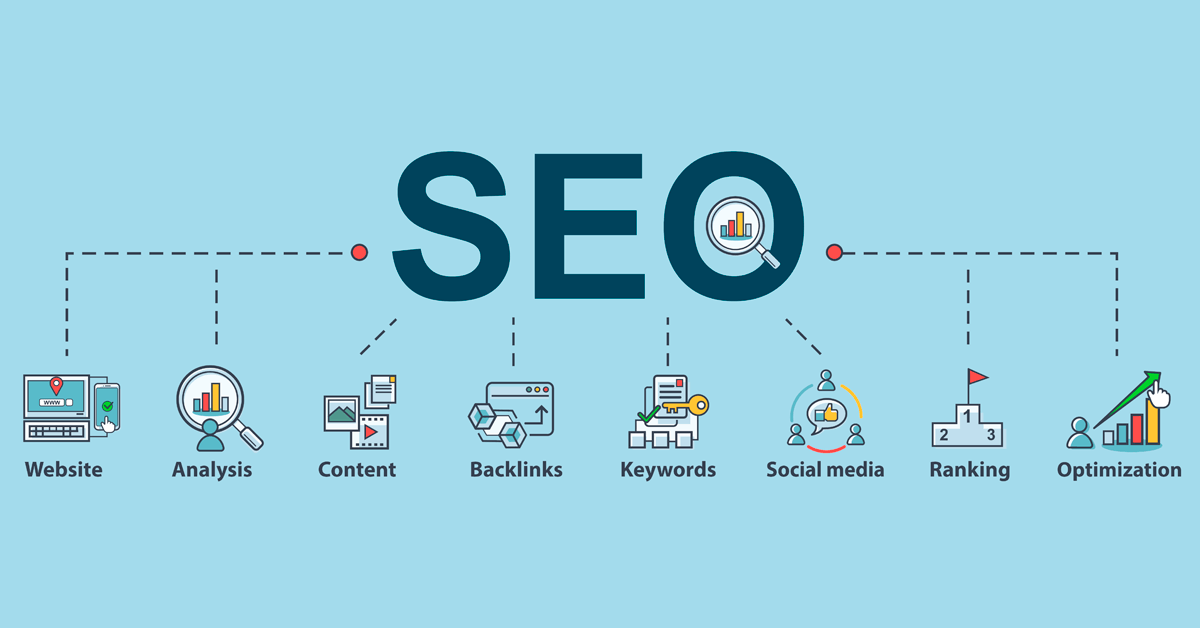
How SEO works for business
The Power of SEO in Business: A Comprehensive GuideIn the continuously evolving landscape of digital marketing, the competition to stand out is fierce. Amidst this digital crowd, how does one ensure t...
Read all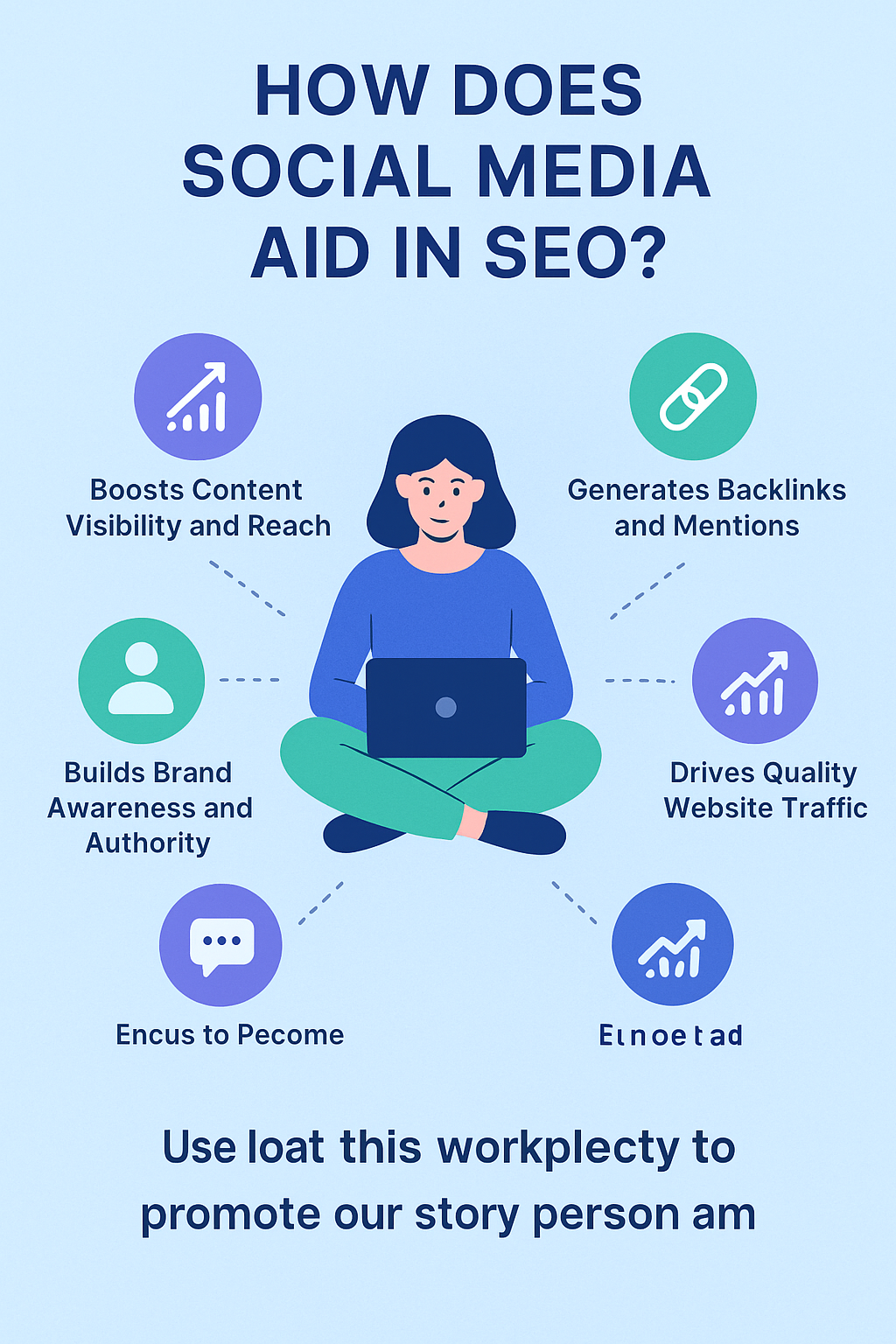
Social Media and SEO Services: How Integrated Digital Marketing Improves Brand Visibility and Organic Growth
Industry Overview: Why Social Media SEO and SEO and Social Media Marketing Services Are Essential for Modern BusinessesThe digital landscape has transformed the way businesses connect with customers. ...
Read all
HTTPS Website Security: How Secure Websites Build Trust, Improve SEO, and Protect Customer Data
HTTPS Website Security and the Growing Importance of Secure Website DevelopmentAs businesses continue to move online, website security has become one of the most critical aspects of maintaining custom...
Read all
Why site speed is significant in web design
Why Site Speed Is Significant in Web DesignIn today’s fast-paced digital world, patience is scarce — and your website has only seconds to make an impression. A slow-loading site doesn’t just cos...
Read all
Responsive Website Development: How Modern Businesses Improve User Experience and Generate More Leads
Responsive Website Development and the Growing Importance of Mobile-Friendly Digital ExperiencesThe way customers interact with businesses online has changed dramatically over the last decade. Today, ...
Read all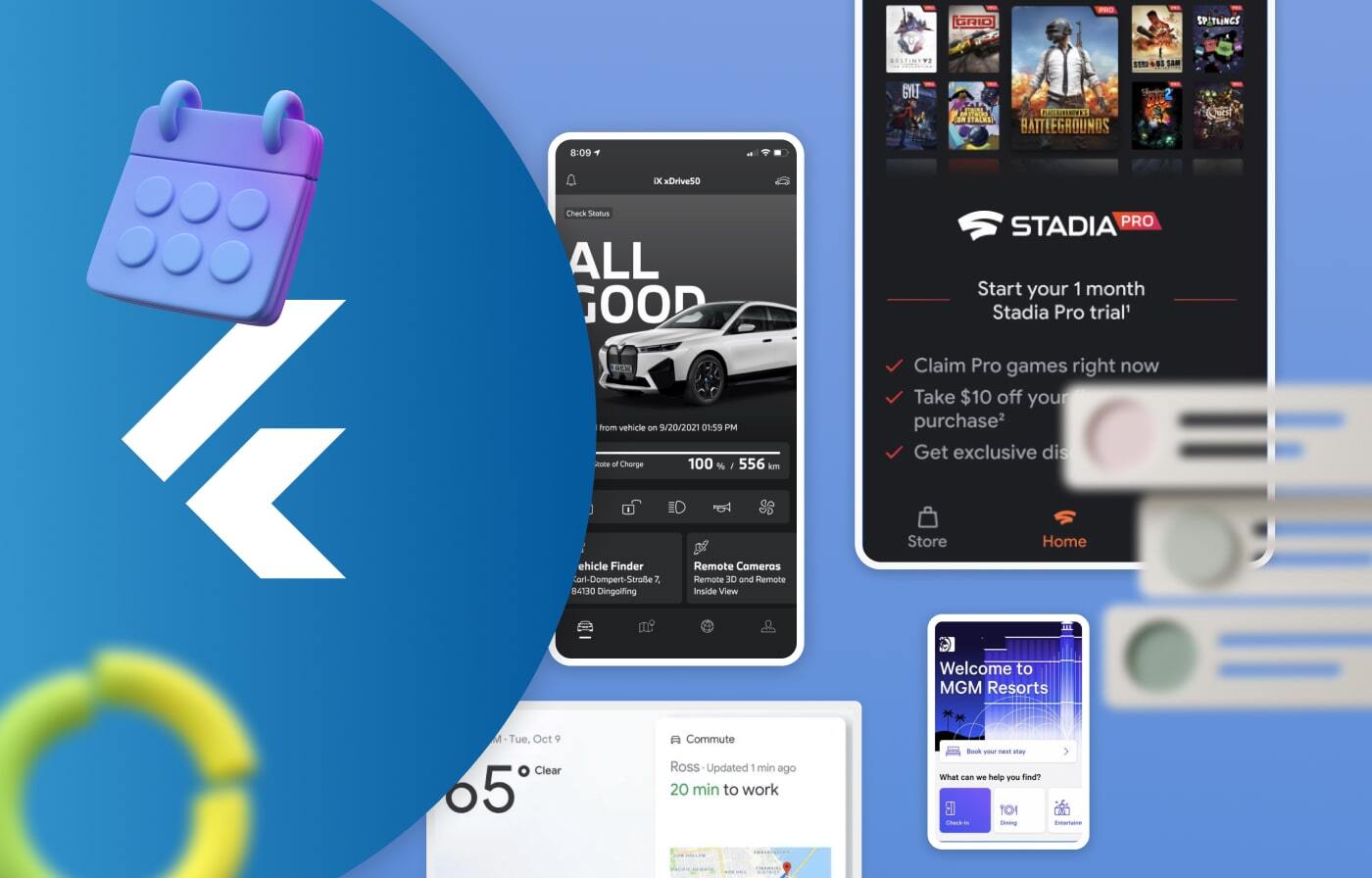
Flutter App Development: Why Businesses Choose Cross-Platform Mobile Apps in 2026
Industry Overview: The Rise of Flutter App Development and Cross Platform Mobile App DevelopmentMobile applications have become one of the most important tools for business growth, customer engagement...
Read all
Importance of User Experience(UX) in Apps
Why UX is Your App's Secret Weapon for SuccessIn today's crowded app stores, a brilliant app idea isn't enough. What truly differentiates a winning mobile app is its user experience (UX). ...
Read all