
Industry Overview: The Growing Importance of Digital Marketing for Interior Designers
The interior design industry is driven by creativity, visual presentation, trust, and the ability to transform a client’s vision into a functional and beautiful space. Whether it is a residential apartment, luxury villa, office, restaurant, showroom, or commercial property, customers increasingly search online before selecting an interior designer or interior design company.
Today, having excellent design skills alone may not be enough to attract a consistent flow of enquiries. Interior designing companies also need a strong online presence that showcases their portfolio, communicates their expertise, builds customer confidence, and makes it easy for potential clients to contact them.
This is where digital marketing for interior designers becomes important. Through search engine optimization, social media marketing, paid advertising, content creation, and professional website development, interior design businesses can connect with potential customers at different stages of their decision-making journey.
A person planning a home renovation may search for home interior design, best interior design, or interior design for home cost. Someone planning an office or commercial space may search for commercial interior design services or an experienced interior design firm. A well-planned interior design digital marketing strategy helps businesses appear in front of these potential customers when they are actively exploring their options.
For an interior designing company, digital marketing is not simply about posting attractive photographs. It involves developing a complete marketing ecosystem where the website, social media profiles, search visibility, advertisements, and lead-generation activities work together to attract and convert relevant audiences.
With the support of a professional digital marketing agency for interior design companies, businesses can promote their projects, improve brand recognition, generate enquiries, and build long-term relationships with homeowners, property developers, commercial clients, and other potential customers.
Current Challenges Faced by Interior Designing Companies
Although the demand for interior design services continues to create business opportunities, many interior design firms face difficulties when attempting to generate consistent enquiries and establish a recognizable brand online.
1. High Competition in the Interior Design Industry
The interior design market includes independent designers, local studios, large design firms, contractors, architects, and home renovation companies. Many businesses offer similar services, making it difficult for a new or growing company to stand out.
A business may have a strong portfolio and experienced designers but still struggle to reach the right audience if its online presence is weak. Effective marketing for interior design firms helps communicate a company’s unique strengths, design philosophy, project quality, and service capabilities.
2. Limited Online Visibility
Potential clients often use search engines to find interior design companies in their city or neighbourhood. If a business website does not appear in relevant search results, it may lose opportunities to competitors with stronger search visibility.
For example, a customer looking for interior designers near me, home interior design, or interior renovation services may contact companies that appear on Google before exploring businesses that are difficult to find online.
Implementing SEO for interior designers helps improve the discoverability of relevant website pages, service descriptions, project portfolios, and local business listings.
3. Difficulty Generating Quality Interior Design Leads
Getting website visitors or social media followers does not automatically result in paying customers. Interior design companies need potential clients who have genuine requirements, realistic project expectations, and an appropriate budget.
A strategic interior design lead generation campaign focuses on attracting relevant prospects through targeted content, search marketing, social media advertisements, landing pages, and enquiry forms.
Businesses also need a process for responding to enquiries quickly and understanding the customer’s requirements. Without proper follow-up, valuable leads may be lost.
4. Poor Presentation of Design Portfolios
Interior design is a highly visual industry. Clients want to see previous projects, material selections, space planning, colour combinations, furniture arrangements, and completed interiors before trusting a company.
However, some businesses present their work through low-quality images, inconsistent social media posts, or websites that are difficult to navigate. A professional digital strategy should make the portfolio easy to explore while communicating the company’s design expertise.
5. Inconsistent Social Media Activity
Platforms such as Instagram and Facebook are useful for showcasing design projects, but inconsistent posting can reduce audience engagement and brand recall.
Interior designers need more than occasional photographs. They can use before-and-after content, project walkthroughs, design tips, client stories, reels, material comparisons, and educational posts to maintain audience interest.
A structured social media for interior designers strategy can help businesses present their work consistently and communicate with potential clients.
6. Unclear Service Information and Pricing Expectations
Customers may search for terms such as interior design for home cost, interior renovation pricing, design consultation, modular kitchen services, or complete home interiors. If a business does not clearly explain its services, project process, and cost-related factors, potential clients may hesitate to enquire.
Although exact pricing can vary according to materials, space, design complexity, and project requirements, businesses can publish informative content that helps customers understand the factors influencing an interior design budget.
7. Lack of Local Search Optimisation
Interior design services are often location-dependent. A client in Kolkata may prefer a company that operates in their city or nearby neighbourhoods.
Without local optimisation, businesses may struggle to appear for searches related to their service area. Digital marketing for interior designers in Kolkata should include local search optimisation, Google Business Profile management, location-focused website content, and relevant local keywords.
Key Features Businesses Need in Digital Marketing for Interior Design
An effective digital marketing strategy for interior design company should combine creative presentation with measurable marketing activities. The following features can help interior designing businesses strengthen their digital presence and attract potential clients.
1. Professional Interior Design Website Development
A website is often the central point where potential customers learn about an interior design company. It should reflect the brand’s design quality, professionalism, and service expertise.
Professional interior design website development should focus on visual appeal, responsive layouts, easy navigation, and clear calls to action.
Important website sections may include:
Homepage with a clear brand message and value proposition.
About Us page explaining the company’s expertise and design approach.
Interior design services page.
Residential interior design page.
Commercial interior design page.
Project portfolio and case studies.
Interior renovation services.
Testimonials and customer experiences.
Frequently asked questions.
Contact page with enquiry forms and communication options.
A well-designed interior design planning website can also include project categories, consultation forms, design process information, and downloadable brochures where appropriate.
2. Search Engine Optimisation for Interior Designers
Search engine optimisation helps improve the visibility of a business website for relevant search queries. For interior design companies, SEO can target users searching for design services, project inspiration, renovation support, and local providers.
A comprehensive SEO strategy may include:
Keyword research based on customer search intent.
Optimisation of service pages.
Portfolio page optimisation.
Local SEO and Google Business Profile optimisation.
Technical SEO improvements.
Website speed optimisation.
Internal linking.
Image optimisation and descriptive alt text.
Informative blog content.
Local citation and business information consistency.
Relevant keywords such as interior design marketing, home interior design marketing, residential interior design marketing, and commercial interior design marketing can be incorporated naturally into appropriate pages.
SEO should focus on matching the searcher’s intent rather than repeating keywords excessively. A page about residential interiors, for example, should provide meaningful information about the services, design process, project scope, and customer requirements.
3. Social Media Marketing for Interior Designers
Social media platforms are valuable for presenting design work in a visually engaging format. Instagram, Facebook, and other relevant platforms can help businesses demonstrate their creativity and build a recognizable identity.
An effective social media marketing agency for small business can develop content strategies tailored to the interior design industry. Suitable content formats include:
Completed interior design project showcases.
Before-and-after transformations.
Short project walkthrough reels.
3D interior design visualisations.
Home décor ideas.
Colour palette recommendations.
Furniture and material selection tips.
Modular kitchen and wardrobe showcases.
Client testimonials.
Designer introductions.
Behind-the-scenes project content.
Frequently asked interior design questions.
Instagram marketing services can focus on visually appealing reels, carousels, stories, highlights, and project showcases. Facebook marketing can support local visibility, community engagement, promotional campaigns, and lead-generation activities.
The objective is to combine attractive visuals with useful information so that the audience understands the company’s capabilities and feels encouraged to enquire.
4. Meta Ads and Facebook Advertising
Organic social media content can support brand awareness, but paid advertising may help businesses reach specific audience segments more efficiently.
A Meta Ads agency can create and manage campaigns for different marketing objectives, such as:
Generating interior design consultation enquiries.
Promoting residential interior design packages.
Showcasing completed projects.
Reaching homeowners in selected locations.
Promoting commercial interior design services.
Retargeting users who have previously interacted with the business.
Driving traffic to a portfolio or dedicated landing page.
Facebook advertising companies and professional marketing teams may use audience targeting, creative testing, campaign tracking, and performance analysis to improve campaign efficiency.
The cost of advertising varies according to factors such as target location, audience size, campaign objective, competition, creative quality, and budget. Businesses should evaluate advertising performance through meaningful indicators such as qualified enquiries, cost per lead, consultation bookings, and eventual conversions.
5. Google Business Profile Optimisation
For local interior design companies, a properly maintained Google Business Profile can support visibility in local search and map results.
A business profile should provide accurate and updated information, including:
Business name.
Service category.
Address or service area, where applicable.
Contact information.
Working hours.
Website link.
Project photographs.
Service descriptions.
Customer reviews.
Regular updates and posts, where relevant.
Digital marketing company in Kolkata services that include local SEO can help interior designers maintain consistent business information and optimise their profile for relevant local searches.
Businesses should avoid misleading claims, keyword stuffing in the business name, or publishing inaccurate service information. Local visibility should be supported by genuine business details and high-quality customer experiences.
6. Content Marketing and Design Education
Content marketing allows interior design businesses to answer questions that potential clients may have before starting a project.
For example, a prospective customer may want to understand:
How much home interior design may cost.
How to plan a modular kitchen.
How to select materials for a humid climate.
What is included in an interior renovation project.
How to optimise a small apartment.
What is the difference between 2D and 3D design planning.
How long an interior project may take.
How to choose a reliable interior design company.
A well-planned content strategy can include blogs, short videos, guides, FAQs, project case studies, and social media educational posts.
The focus should be on answering genuine customer questions while naturally using relevant search terms such as online marketing for interior designers, interior design marketing agency, and marketing for interior designers.
7. Lead Capture and Follow-Up Systems
Marketing becomes more useful when interested visitors can easily contact the business. Interior design websites and campaigns should provide clear enquiry options.
Potential lead-generation features include:
Consultation request forms.
Click-to-call buttons.
WhatsApp enquiry options.
Project requirement forms.
Budget and location fields.
Landing pages for specific services.
Lead tracking through a CRM or structured spreadsheet.
Automated enquiry acknowledgements.
Follow-up reminders.
A lead generation agency may help develop campaigns that direct prospective customers to relevant landing pages. However, lead quality also depends on the targeting strategy, form design, messaging, and follow-up process.
8. Branding and Creative Design
Interior design businesses compete through their visual identity as well as their project quality. Consistent branding can help establish familiarity across websites, social media platforms, advertisements, brochures, and other marketing materials.
A professional digital marketing agency may collaborate with a creative design team to develop:
Logo and brand identity.
Social media templates.
Project presentation layouts.
Promotional banners.
Service brochures.
Video graphics.
Digital advertisements.
Portfolio presentation formats.
Consistent typography, colour usage, imagery, and messaging can help create a more cohesive brand experience.
How Technology Solves These Problems
Technology enables interior designing companies to build an integrated marketing system that connects their website, advertising channels, social media accounts, customer enquiries, and performance data.
1. Data-Driven Digital Marketing Strategy
Modern marketing platforms provide information about how users interact with websites, advertisements, and social media content. Businesses can use this data to understand which channels are generating traffic and enquiries.
A seo digital marketing strategy can combine organic search performance with paid marketing data to identify relevant search queries, content opportunities, and user behaviour patterns.
For example, if a business receives significant engagement on residential interior design reels but fewer enquiries from a particular campaign, the marketing team can review the messaging, targeting, landing page, and enquiry process.
Data does not replace creative decision-making, but it can support more informed campaign improvements.
2. Website Analytics and Conversion Tracking
Website analytics tools can help businesses understand:
How many users visit the website.
Which pages receive the most attention.
Which traffic sources bring visitors.
How users interact with enquiry forms.
Which devices visitors use.
Where users leave the website.
Which campaigns generate conversions, when properly configured.
With conversion tracking, an interior design company can evaluate whether its marketing activities are contributing to enquiries and consultation requests.
The data must be configured correctly, and businesses should consider privacy requirements when collecting or processing user information.
3. AI-Assisted Content Planning
Artificial intelligence tools can support content planning, topic research, draft creation, idea generation, and content repurposing. Interior design companies can use AI-assisted workflows to plan content around common customer questions and project categories.
For example, one completed project can be transformed into:
A detailed portfolio case study.
An Instagram carousel.
A short project reel.
A before-and-after post.
A blog about the design approach.
A client-focused testimonial post.
Human review remains important because design content should accurately represent the project, materials, services, and results. AI-generated content should not make unsupported claims or present stock visuals as completed client projects.
4. Marketing Automation
Automation can simplify repetitive marketing and communication tasks. Depending on the company’s workflow, automation may support:
Enquiry notifications.
Form submission acknowledgements.
Consultation reminders.
Lead assignment.
Follow-up scheduling.
Campaign reporting.
Customer segmentation.
Social media content scheduling.
A lead generation company may combine advertising campaigns with automated lead collection and tracking. However, personalised communication and timely human follow-up remain important for high-value interior design enquiries.
5. Visual Marketing Technology
Interior design companies can use modern visual tools to communicate design concepts more effectively. These may include:
3D visualisations.
Virtual walkthroughs.
High-resolution project photography.
Video tours.
Interactive portfolio galleries.
Digital mood boards.
Before-and-after comparisons.
These technologies help potential clients understand the proposed design direction before a project begins. Marketing materials should clearly distinguish between completed projects, concept designs, renderings, and illustrative examples.
6. Local Search and Location-Based Marketing
Technology allows businesses to target audiences according to location, search intent, and service requirements. For example, an interior design company operating in Kolkata may create location-specific pages and campaigns for relevant service areas.
A digital marketing agency in Kolkata can help businesses combine local SEO, paid advertising, social media promotion, and website optimisation to reach potential customers within their operational area.
Location targeting should be aligned with the company’s actual service coverage. Businesses should avoid claiming to serve locations where they do not provide services.
7. CRM and Lead Management
A customer relationship management system can help interior design businesses organise enquiries and track their progress.
A structured lead-management process may record:
Customer name and contact details.
Project location.
Type of property.
Design service required.
Estimated project timeline.
Budget range, if voluntarily provided.
Consultation status.
Follow-up history.
Conversion stage.
This allows businesses to reduce missed enquiries and improve communication between marketing and sales teams.
Industry Trends in Interior Design Digital Marketing
The digital marketing landscape for interior designing companies continues to evolve as customers become more comfortable researching services online. Several trends are influencing how interior design firms present their work and connect with potential clients.
1. Short-Form Video Marketing
Short-form videos are increasingly used to showcase interior spaces, design transformations, and project details. Reels and short videos can communicate the visual impact of a project within a limited time.
Interior design companies can create videos featuring:
Complete home tours.
Living room transformations.
Modular kitchen walkthroughs.
Bedroom design ideas.
Material and colour combinations.
Design process highlights.
Project completion showcases.
A consistent video strategy can support social media marketing services and improve the variety of content published across digital channels.
2. Portfolio-Focused Marketing
Potential customers often want to evaluate a company’s previous work before requesting a consultation. As a result, portfolio-focused marketing remains important for both residential and commercial interior design businesses.
Businesses can organise their portfolios by:
Property type.
Room type.
Design style.
Project size.
Location.
Budget category, where appropriate.
Completed or conceptual work.
A detailed portfolio should include relevant context rather than only displaying photographs. Descriptions can explain the client’s requirements, design approach, challenges, and completed work.
3. Local SEO and Google Search Visibility
Local search remains relevant for service businesses that operate within specific cities or regions. Interior design companies can strengthen their local presence through optimised websites, accurate business profiles, customer reviews, and location-relevant content.
Keywords such as interior design SEO services in Kolkata, interior design advertising agency in Kolkata, and interior design lead generation company in Kolkata can be used in suitable content where they accurately represent the service and target audience.
4. Personalised Marketing Campaigns
Different customers have different design requirements. A homeowner planning a two-bedroom apartment may not respond to the same message as a business owner searching for commercial office interiors.
More Articles
Custom Website Development: A Step-by-Step Guide for Small Businesses
Custom web development enables small businesses to create unique online presences tailored to their specific needs and goals, instead of relying on pre-made templates. In addition, this comprehensive ...
Read all
What are the major components of Digital Marketing?
Why digital marketing?Every marketing strategy also includes a digital plan of action within it. Without factoring it in, no marketing goal can be executed now. When you include it, you get a wholesom...
Read all
How SEO works for business
The Power of SEO in Business: A Comprehensive GuideIn the continuously evolving landscape of digital marketing, the competition to stand out is fierce. Amidst this digital crowd, how does one ensure t...
Read all
Social Media and SEO Services: How Integrated Digital Marketing Improves Brand Visibility and Organic Growth
Industry Overview: Why Social Media SEO and SEO and Social Media Marketing Services Are Essential for Modern BusinessesThe digital landscape has transformed the way businesses connect with customers. ...
Read all
HTTPS Website Security: How Secure Websites Build Trust, Improve SEO, and Protect Customer Data
HTTPS Website Security and the Growing Importance of Secure Website DevelopmentAs businesses continue to move online, website security has become one of the most critical aspects of maintaining custom...
Read all
Why site speed is significant in web design
Why Site Speed Is Significant in Web DesignIn today’s fast-paced digital world, patience is scarce — and your website has only seconds to make an impression. A slow-loading site doesn’t just cos...
Read all
Responsive Website Development: How Modern Businesses Improve User Experience and Generate More Leads
Responsive Website Development and the Growing Importance of Mobile-Friendly Digital ExperiencesThe way customers interact with businesses online has changed dramatically over the last decade. Today, ...
Read all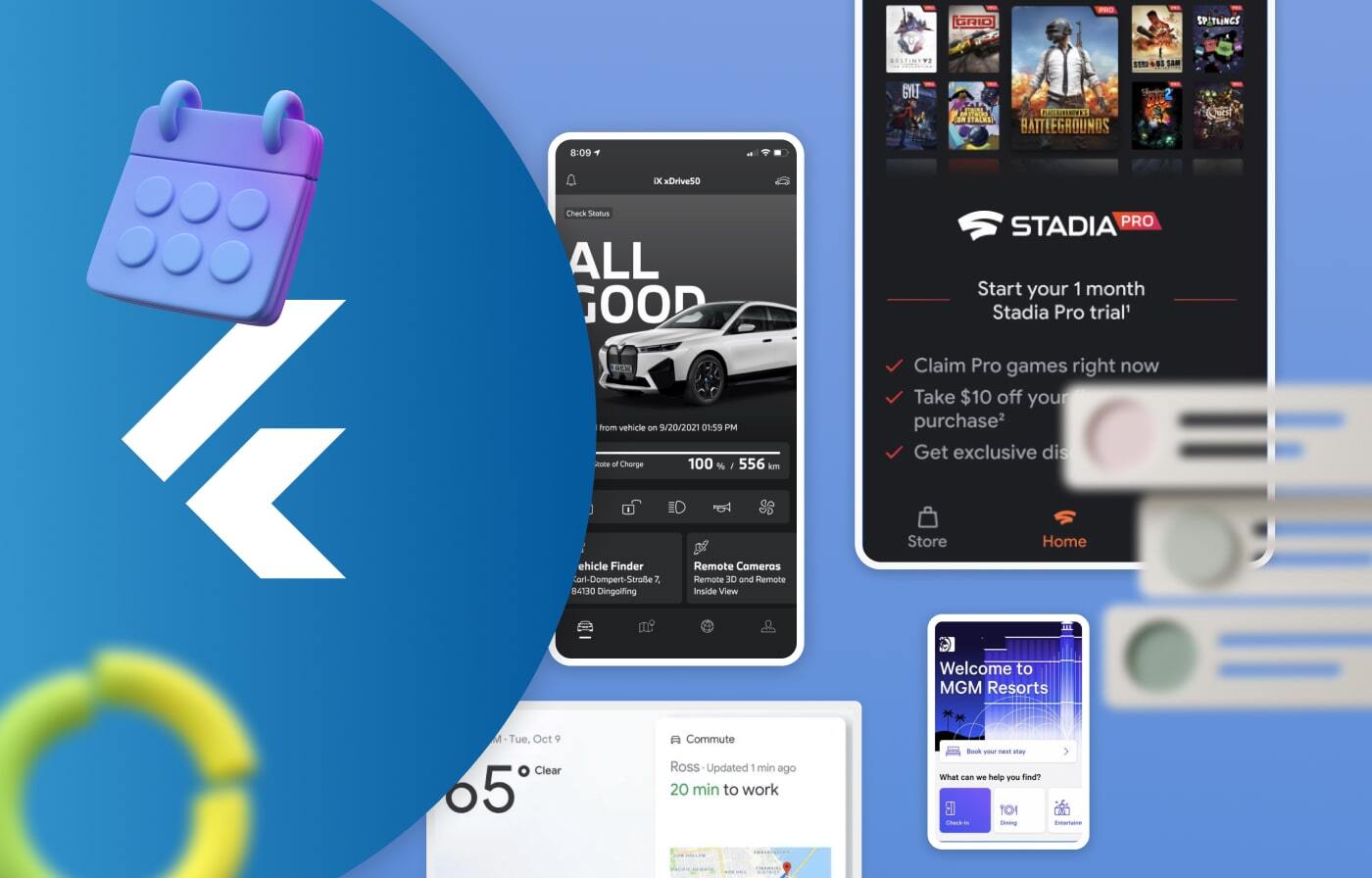
Flutter App Development: Why Businesses Choose Cross-Platform Mobile Apps in 2026
Industry Overview: The Rise of Flutter App Development and Cross Platform Mobile App DevelopmentMobile applications have become one of the most important tools for business growth, customer engagement...
Read all
Importance of User Experience(UX) in Apps
Why UX is Your App's Secret Weapon for SuccessIn today's crowded app stores, a brilliant app idea isn't enough. What truly differentiates a winning mobile app is its user experience (UX). ...
Read all