Understanding the difference between a website and a landing page allows businesses to make informed decisions within a structured and results-driven digital marketing strategy. While both serve important roles, they are designed to achieve different objectives across the customer journey and should be used strategically to maximize marketing performance.
Website vs Landing Page: Business Perspective
From a business standpoint, a website functions as a comprehensive digital asset that supports branding, credibility, and long-term growth. It provides detailed information about products, services, company values, and legal or compliance-related content, helping businesses build trust and authority over time. Websites are optimized for organic traffic through SEO, allowing businesses to attract, nurture, and retain users across multiple touchpoints.
In contrast, a landing page for business is purpose-built for specific marketing goals. A landing page for lead generation is designed with a focused message, minimal distractions, and a clearly defined call to action (CTA). Rather than offering broad information, landing pages guide users toward a single desired action such as filling out a form, booking a consultation, or downloading a resource, making them highly effective for targeted campaigns.
Landing Page vs Website: Strategic Use
Websites are best suited for:
-
Long-term growth and sustainable brand development
-
Supporting SEO strategies and organic visibility
-
Providing comprehensive information across multiple user intents
Landing pages are ideal for:
-
Short-term campaigns with specific objectives
-
Achieving a higher conversion rate through focused messaging
-
Supporting paid ads, SEO vs PPC strategies, and campaign-specific traffic
Landing pages are particularly effective when businesses need precise control over messaging, audience targeting, and conversion optimization. They perform exceptionally well for PPC campaigns, email marketing, and promotional offers where user intent is clearly defined.
Aligning Strategy for Maximum Impact
By aligning user intent, the customer journey, and campaign goals, businesses can use websites and landing pages together to create a balanced digital marketing ecosystem. This alignment enables better conversion optimization, clearer performance measurement through analytics & tracking, and more efficient allocation of marketing budgets. When used correctly, websites build long-term value while landing pages drive immediate results—together maximizing overall marketing efficiency and business growth.
More Articles
Custom Website Development: A Step-by-Step Guide for Small Businesses
Custom web development enables small businesses to create unique online presences tailored to their specific needs and goals, instead of relying on pre-made templates. In addition, this comprehensive ...
Read all
What are the major components of Digital Marketing?
Why digital marketing?Every marketing strategy also includes a digital plan of action within it. Without factoring it in, no marketing goal can be executed now. When you include it, you get a wholesom...
Read all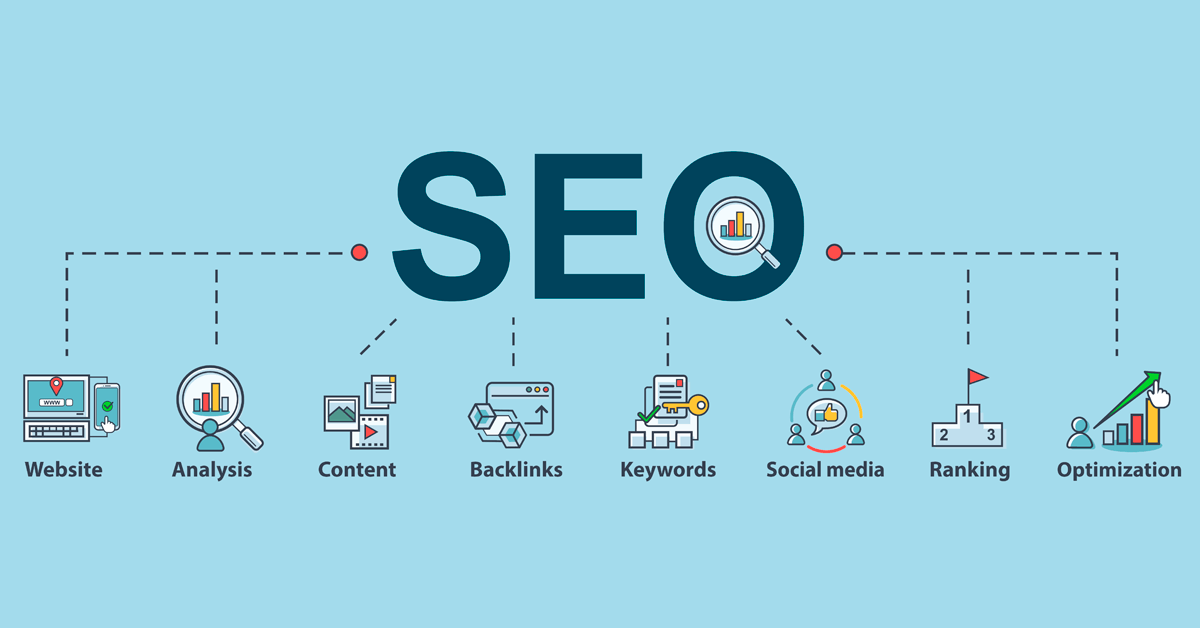
How SEO works for business
The Power of SEO in Business: A Comprehensive GuideIn the continuously evolving landscape of digital marketing, the competition to stand out is fierce. Amidst this digital crowd, how does one ensure t...
Read all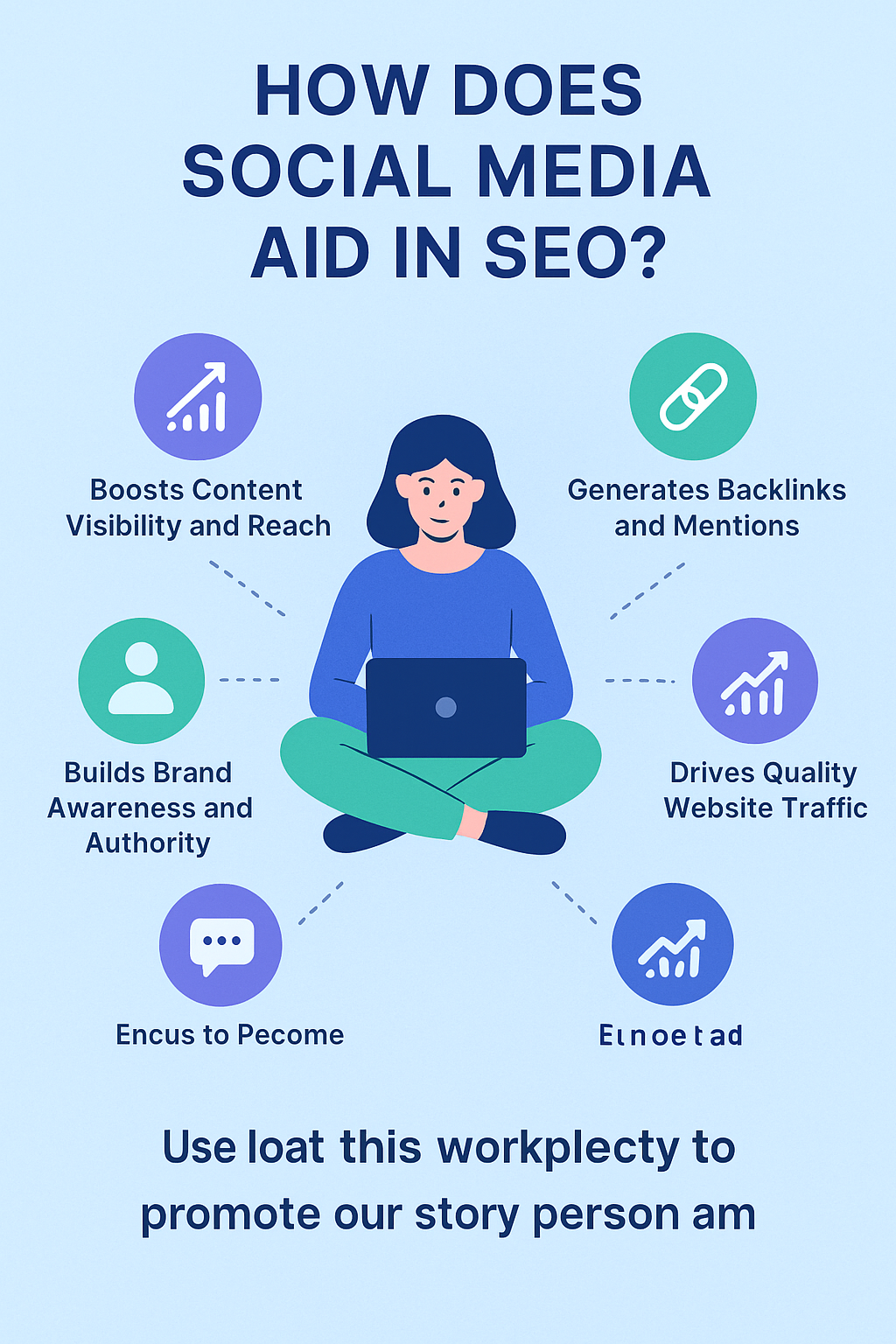
Social Media and SEO Services: How Integrated Digital Marketing Improves Brand Visibility and Organic Growth
Industry Overview: Why Social Media SEO and SEO and Social Media Marketing Services Are Essential for Modern BusinessesThe digital landscape has transformed the way businesses connect with customers. ...
Read all
HTTPS Website Security: How Secure Websites Build Trust, Improve SEO, and Protect Customer Data
HTTPS Website Security and the Growing Importance of Secure Website DevelopmentAs businesses continue to move online, website security has become one of the most critical aspects of maintaining custom...
Read all
Why site speed is significant in web design
Why Site Speed Is Significant in Web DesignIn today’s fast-paced digital world, patience is scarce — and your website has only seconds to make an impression. A slow-loading site doesn’t just cos...
Read all
Responsive Website Development: How Modern Businesses Improve User Experience and Generate More Leads
Responsive Website Development and the Growing Importance of Mobile-Friendly Digital ExperiencesThe way customers interact with businesses online has changed dramatically over the last decade. Today, ...
Read all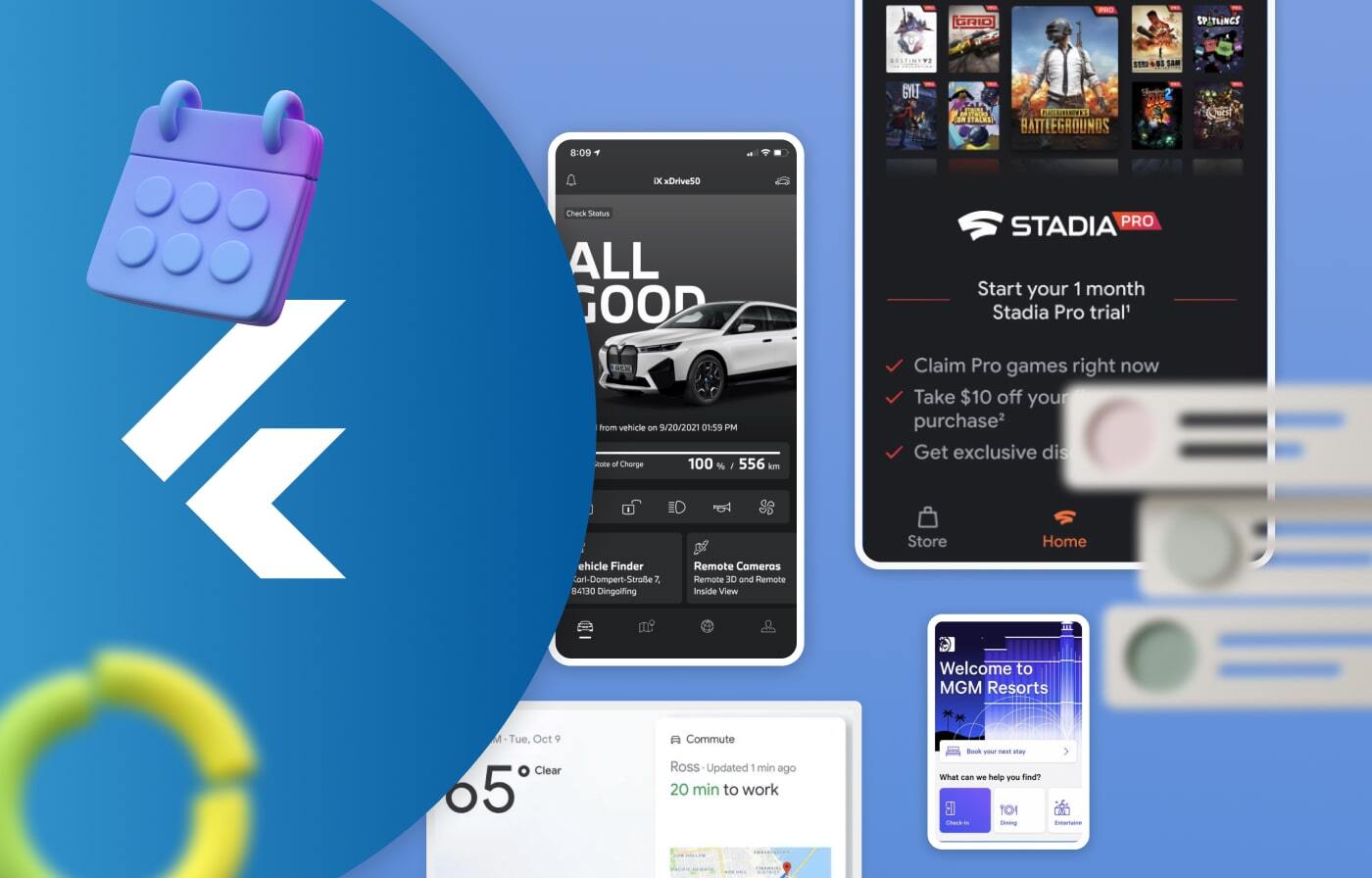
Flutter App Development: Why Businesses Choose Cross-Platform Mobile Apps in 2026
Industry Overview: The Rise of Flutter App Development and Cross Platform Mobile App DevelopmentMobile applications have become one of the most important tools for business growth, customer engagement...
Read all
Importance of User Experience(UX) in Apps
Why UX is Your App's Secret Weapon for SuccessIn today's crowded app stores, a brilliant app idea isn't enough. What truly differentiates a winning mobile app is its user experience (UX). ...
Read all